How to Make Matcha at Home: Usucha, Lattes and No-Whisk Methods
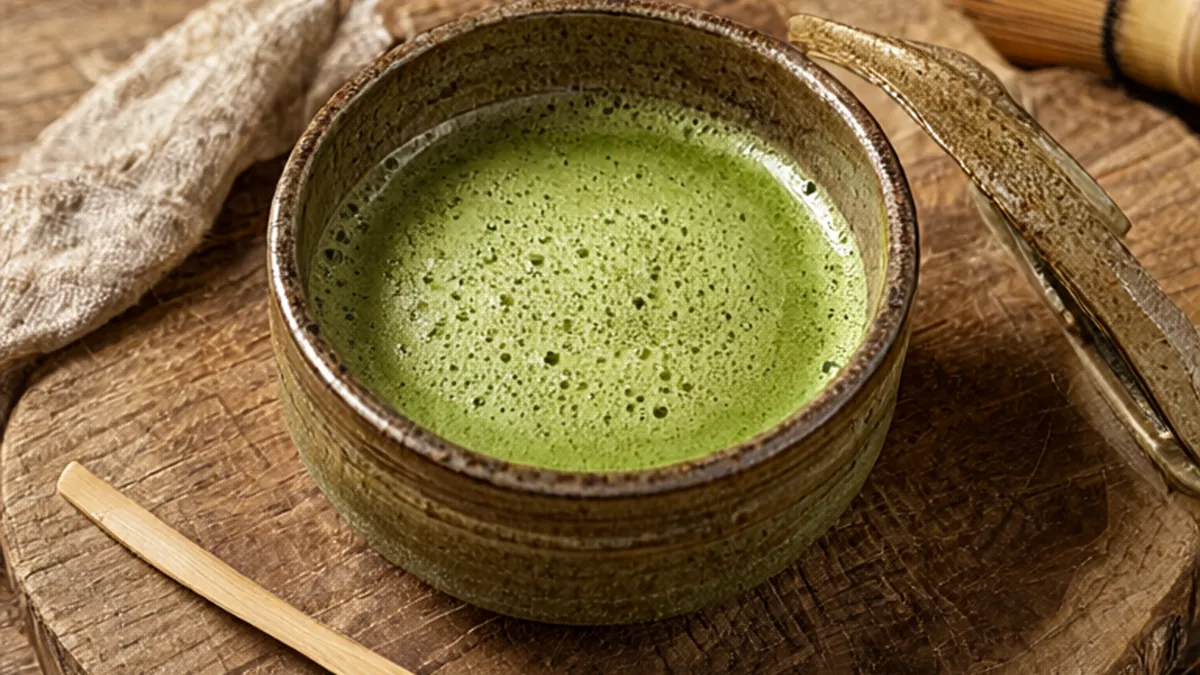
To make matcha at home, sift 1 to 2 grams of matcha (about half to one teaspoon) into a wide bowl, add a splash of water around 160–175°F (70–80°C) and stir it into a smooth paste, then add the rest of the water, about 70 ml in total, and whisk quickly in a zigzag motion until a fine foam covers the surface. That is the whole method. The details below help you get a smooth, sweet bowl instead of a bitter, clumpy one, and show you how to adapt it for lattes or when you do not have a bamboo whisk.
What you need
You can make matcha with very little equipment, but a few simple tools make the result noticeably smoother.
- Matcha powder. The single biggest factor in how your bowl tastes.
- A wide bowl. A matcha bowl (chawan) is wide and flat-bottomed so the whisk has room to move. Any wide cereal or soup bowl works while you learn.
- A bamboo whisk (chasen). Its many fine tines whip air into the tea in a way a spoon cannot.
- A scoop (chashaku) or a teaspoon. A bamboo scoop holds roughly 0.5 to 1 gram per heap.
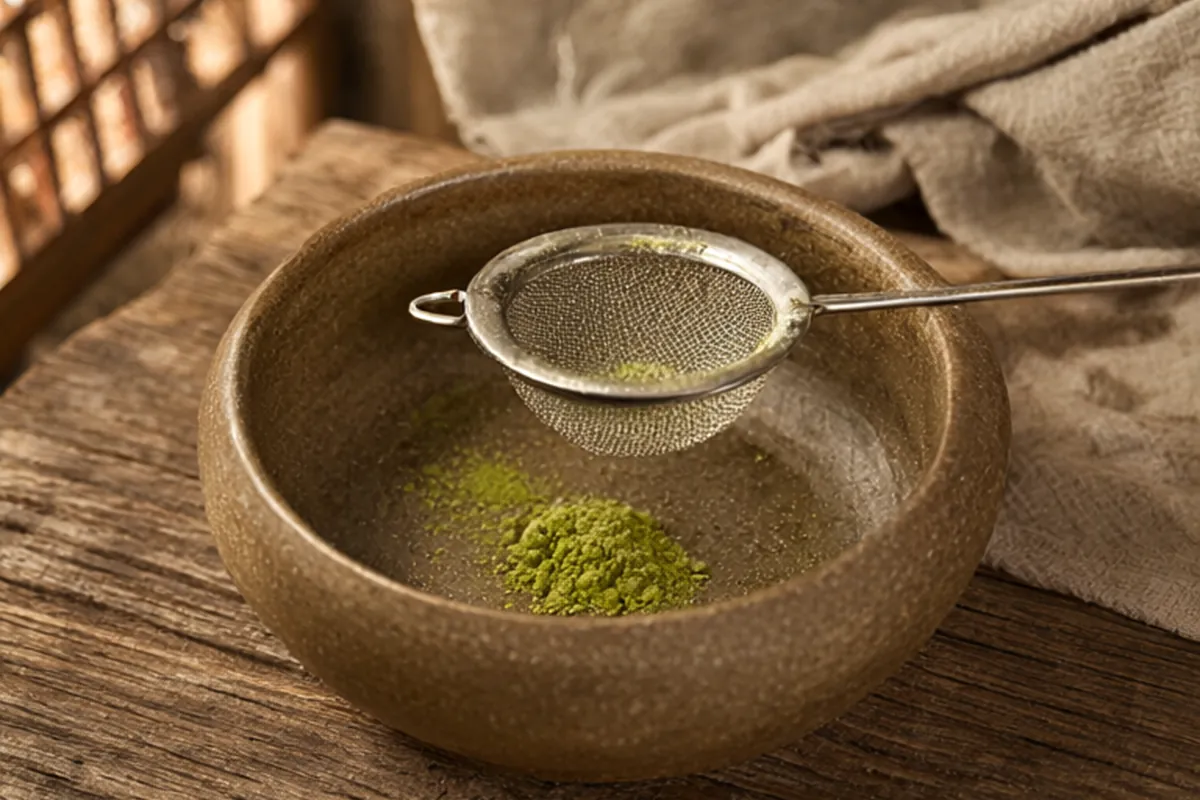
- A small fine-mesh strainer. For sifting out lumps. This step matters more than most people expect.
- A kettle and, ideally, a thermometer. Or a kettle with temperature settings.
If you are starting from scratch, a set such as our matcha tea set with bowl, whisk and holder covers the bowl, whisk and scoop in one go. You can also browse individual bowls, like the flowing glaze matcha bowl, in our tea ware collection.
Choosing matcha
Matcha is green tea leaves that have been shade-grown, steamed, dried and stone- or mill-ground into a fine powder. Because you drink the whole leaf rather than an infusion, quality shows up directly in the cup.
- Ceremonial or premium grades are made from younger leaves. They tend to be bright green, smooth and sweet, with less bitterness. These are best for drinking with water alone.
- Culinary or latte grades are usually more robust and slightly more astringent. They hold up well against milk, sugar and baking, and cost less.
Grade names are not regulated, so judge by what you can see and taste: a vivid green color rather than yellowish or brownish, a fine silky texture, and a fresh, grassy smell. Buy small tins, keep them sealed and in the fridge once opened, and try to use them within a month or two. Matcha loses color and flavor quickly once exposed to air, heat and light.
Water temperature and ratios
Boiling water scorches matcha and pulls out bitterness. Aim for around 160–175°F (70–80°C). Without a thermometer, boil the water and let it sit for three to five minutes, or pour it into a separate cup first, which drops the temperature by roughly 10 to 15 degrees.
Two common styles, both easy to make at home:
- Usucha (thin tea): 1 to 2 grams of matcha with 60 to 80 ml of water. Light, frothy and the usual everyday style. This is the one to start with.
- Koicha (thick tea): about 4 grams with 30 to 40 ml of water, kneaded slowly into a glossy, syrupy tea with no foam. It needs a high-grade matcha and is more of an occasional treat.
Soft or filtered water gives a sweeter, cleaner taste than very hard tap water. If your tea tastes flat or chalky, try changing the water before changing the matcha.
Step by step: a classic bowl of matcha
- Warm the bowl and whisk. Pour a little hot water into the bowl and stand the whisk in it, tines down, for about 30 seconds. This softens the bamboo tines so they flex rather than snap, and warms the bowl so the tea stays hot. Pour the water out and dry the bowl.
- Sift the matcha. Put 1 to 2 grams (one or two heaped bamboo scoops, or about half to one level teaspoon) in the strainer over the bowl and press it through with the scoop. Matcha clumps from static and humidity, and lumps rarely whisk out later.
- Make a paste. Add a small splash of your warm water, about a tablespoon, and gently stir with the whisk until there are no dry spots. This prevents lumps.
- Add the rest of the water. Pour in the remaining water to reach roughly 70 ml.
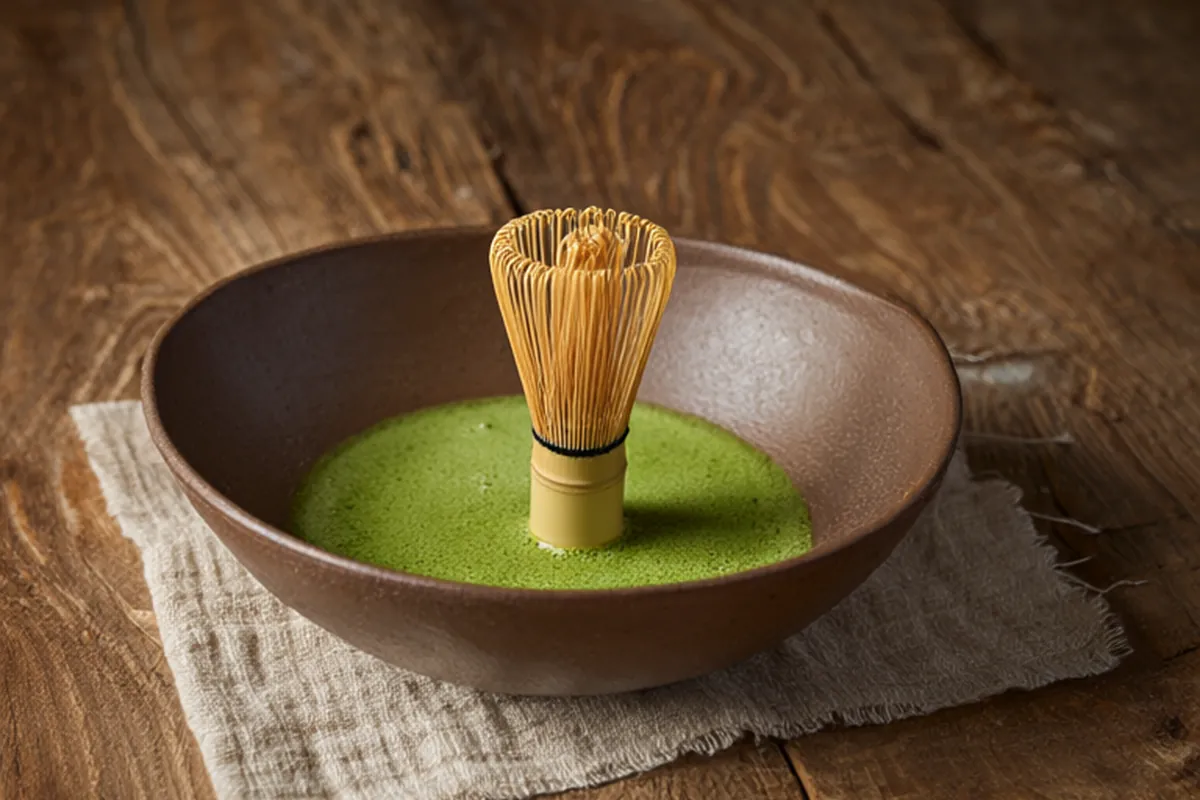
- Whisk. Hold the bowl steady with one hand. With the whisk held upright and the tines just touching the bottom, move it quickly back and forth in a “W” or “M” zigzag, using your wrist rather than your whole arm. Do not stir in circles; circles move the tea around without adding much air. Whisk briskly for 15 to 30 seconds.
- Refine the foam. When the surface is covered with foam, lift the whisk slightly so it moves through the top layer only and slow down. This breaks up big bubbles into a finer, creamier foam.
- Finish. Draw the whisk out from the center of the bowl so you leave a small rise of foam in the middle. Drink right away, before the powder starts to settle.
Your first few bowls may have large bubbles or a thin layer of foam. That is normal. Speed and a loose wrist come with practice, usually within a week of daily bowls.
Matcha lattes, hot and iced
A latte is the easiest way to enjoy matcha if you find straight matcha too grassy. Use a little more powder so the tea flavor carries through the milk.
Hot matcha latte
- Sift 2 grams (about 1 teaspoon) of matcha into a bowl or mug.
- Whisk it with 30 to 60 ml of water at about 175°F until smooth and foamy.
- Heat 180 to 240 ml of milk or a plant milk until steaming but not boiling, and froth it if you like.
- Pour the milk over the matcha, or the matcha into the milk. Sweeten with honey, maple or simple syrup to taste.
Oat milk is a popular choice because it froths well and has a mild sweetness. Almond milk is lighter; whole dairy milk gives the richest texture.
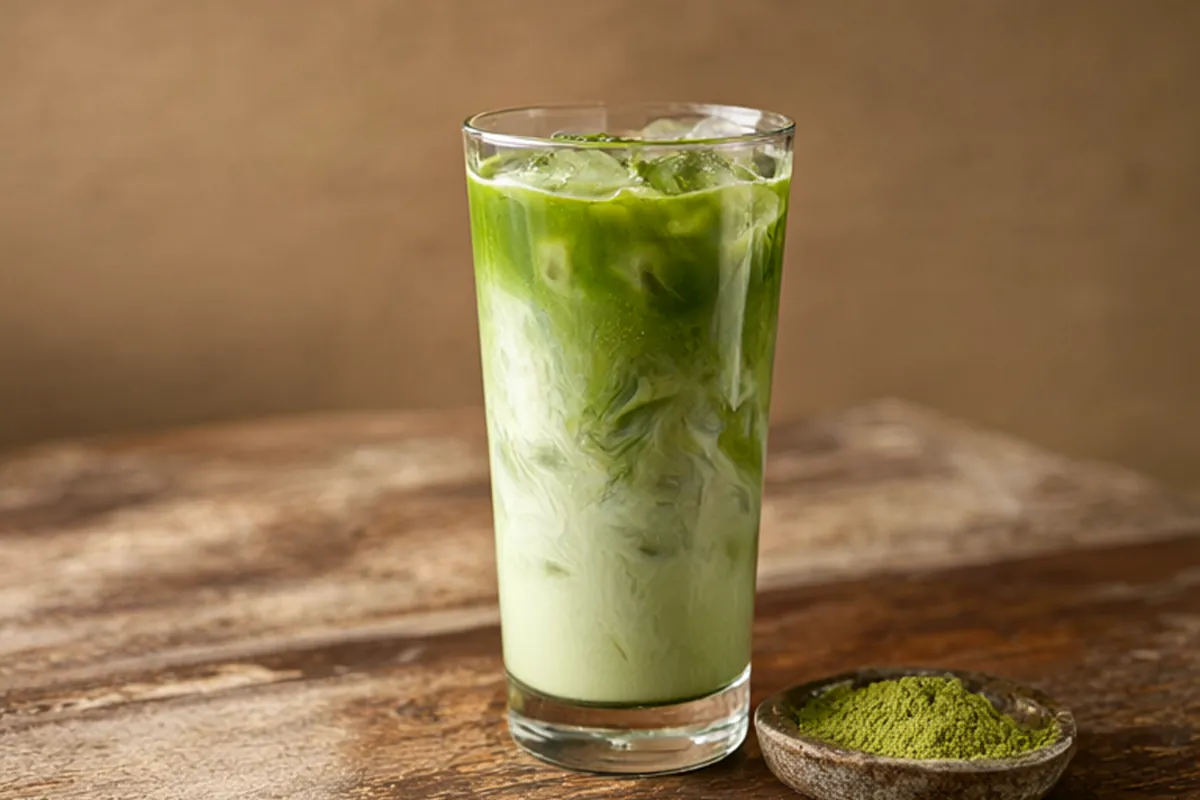
Iced matcha latte
- Whisk 2 grams of matcha with 60 ml of water until smooth. Room-temperature water works fine here.
- Fill a glass with ice and add 180 ml of cold milk.
- Pour the matcha over the top and stir.
For a quick batch, shake matcha and cold water in a sealed jar for 30 seconds, then pour it over milk and ice.
No whisk? Other ways to make matcha
A bamboo whisk gives the finest foam, but you can still make a good cup without one. Always sift first, since none of these methods break up lumps as well as a whisk.
- Jar or bottle. Add sifted matcha and water to a jar with a tight lid, fill it no more than halfway, and shake hard for 20 to 30 seconds. Good for iced drinks.
- Handheld milk frother. Make the paste first, add the water, then froth for 10 to 15 seconds. Works well for lattes; keep the head submerged to avoid splashing.
- Blender. Blend matcha, water or milk, and ice for a few seconds. Best for iced lattes and smoothies.
- Small metal whisk or fork. Usable in a pinch. You will get fewer bubbles, so make a thorough paste and whisk vigorously.
- Spoon. A spoon will mix matcha but will not create foam, and lumps are common. Fine for a latte where the milk does the work, less satisfying for a plain bowl.
Common mistakes
- Water too hot. The most common cause of bitter matcha. Let the kettle rest.
- Skipping the sift. Leads to lumps that float on top or stick to the bottom.
- Too much water. Over 100 ml in a plain bowl makes the tea thin and watery. Start small.
- Stirring in circles. Use a fast zigzag instead.
- Pressing too hard. Pushing the whisk into the bottom of the bowl bends and breaks tines. Keep it light.
- Stale matcha. Dull color and a flat or hay-like taste mean it is past its best.
Caring for your tools
Rinse the whisk under warm running water right after use, swishing it in a bowl of clean water to loosen powder. Do not use soap, which can linger in the bamboo, and never put it in the dishwasher. Let it dry fully, ideally on a whisk holder (kusenaoshi), which helps the tines keep their shape and lets air circulate so they do not grow mold. Store it out of a sealed cupboard until completely dry.
Rinse the bowl with warm water and wipe it dry. Most glazed ceramic bowls can take a mild detergent now and then, but plain water is usually enough. A whisk is a consumable: expect to replace it every few months with daily use, or when tines start breaking off.
FAQ
How much matcha should I use per cup?
About 1 to 2 grams (half to one teaspoon) for a traditional bowl with 60 to 80 ml of water, and around 2 grams for a latte. Adjust to taste once you know your matcha.
Why is my matcha bitter?
Usually the water is too hot, the matcha is a lower grade or stale, or you used too much powder for the water. Try water around 170°F and a fresher, brighter matcha.
Can I make matcha with cold water?
Yes. Sift it, then shake or whisk it with cold water. The taste is a little milder and the foam is lighter, which suits iced drinks well.
Why is there sediment at the bottom of my cup?
Matcha is a suspension, not a dissolved tea, so some powder always settles. Sifting and whisking well reduce it, and drinking right away helps.
Ready to start your own matcha ritual? Explore the matcha tea set and the rest of our tea ware. Free US shipping on orders over $50 and 30-day returns.